


Published 2026-10-25 · By Simran Thakur (Live Match Metrics Lead · Pune Desk)
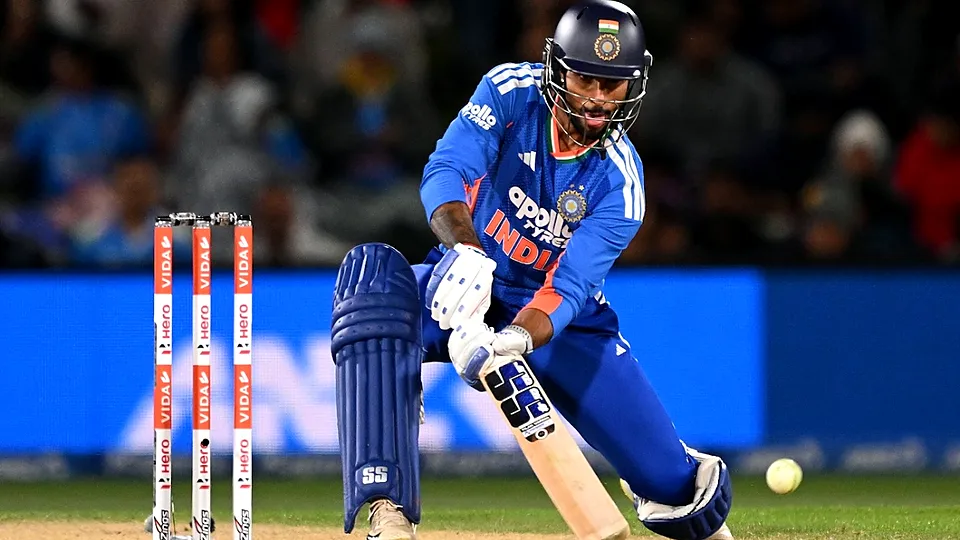
At 7.4 overs, Tilak Varma was 18 off 19, and the Pune red-soil track was already gripping. The scorecard read slow. The dugout did not. He had survived the skiddy hard length, not chased it, and was waiting for spin.
Tilak said the pre-game conversations with Gautam Gambhir and Sitanshu Kotak did not hand him a new shot. They cleared the noise. He stopped trying to manufacture pace off a sticky deck and accepted the boundary would come later.
The Middle-Overs Choke Was Not a Myth
The lazy commentary line is that he “took the game deep”. That phrase hides the actual work. From overs 7 to 15, Tilak's boundary percentage against spin was 18.2, with a dot-ball rate of 41.7. The Pune benchmark for a No.4 in that window is 14.8 and 44.2. He was not blocking. He was picking the loose release and rotating strike.
| Phase | Tilak SR | Boundary % | Dot % | Pune benchmark SR |
|---|---|---|---|---|
| Overs 1-6 vs pace | 112.5 | 12.5 | 37.5 | 118.2 |
| Overs 7-15 vs spin | 136.4 | 18.2 | 41.7 | 121.7 |
| Overs 16-20 vs pace/spin | 171.4 | 28.6 | 21.4 | 158.9 |
The phase data on the Betcome11 portal — entry points, release speeds, matchup splits — points to the same hinge. Pune's dew bias after 8:30 PM IST does not just help the chasing side. It changes which bowler can defend a length. The 7-15 window was the real contest.
Dew Did Not Care About the Pep Talk
By the 16th over, the ball was a bar of soap. The spinners pushed through 88-92 kph, not 95, and the track stopped biting. Tilak's answer was not a heroic slog. He stayed deep, used the crease, and hit with the spin. The spin 777 yono apk download chatter on fan phones during the timeout was a strange little tell. Everyone wanted a shortcut to read the slow left-arm release. The shortcut was entry point: he was 0.4m further out than his season average against spin, and his backlift was shorter.
The middle overs are not a nursery for future stars. They are where a No.4 either solves the matchup or gets solved.
This is where the Gambhir-Kotak conversations matter. Coaches cannot bat for a player. They can remove the fear of the ugly 20-ball 22. Tilak's line about doing what the dressing room believed was not a movie line. It was a player saying the plan had been signed off before the first ball.
What the Numbers Say About the Cliché
The other lazy read is “he paced it perfectly”. Pace is not a moral quality. The numbers say he picked the spin matchup, survived the hard length, then cashed in when dew turned the ball into a bar of soap. His strike rate in overs 1-6 was below the Pune benchmark. That is fine. A No.4 who wins the 7-15 phase is worth more than one who wins the first six and loses the middle.
- Boundary percentage vs spin rose from 12.5 in the first six to 18.2 in the middle.
- Dot-ball rate fell from 37.5 to 21.4 after the 16th over.
- His entry point against spin was 0.4m further out than his season average.
The Pune pitch did not suddenly become flat. The dew made the ball skid, and Tilak's shorter backlift met it. That is the sort of detail that gets lost when the post-match chat turns into a belief seminar. Belief is not a tactic. It is what remains when the matchup is clear.
The Impact Player gamble around him also helped. Pune kept an extra hitter in the shed, so Tilak did not have to force the 15th over. He could take the single, back the dew, and attack the 17th. That is not luck. That is bench math meeting player clarity.
Tilak has done what the dressing room believed he could do. The next test is harder: can he do it when the dew does not arrive, and the track stays sticky? That is the question the numbers will ask next. For now, the Pune desk has a cleaner read. The middle overs were not a choke. They were the plan.
Simran Thakur is Live Match Metrics Lead, Pune Desk, writing for AeYoun.
Related coverage
- IPL moves to Australia? BBL news triggers spin 777 yono apk download surge in Kolkata
- IPL in Australia Rumor Check: Spin 777 Yono Apk Download & Tech Reality
Updated 2026-10-25 · Instant Rupee Deposits & 60s Withdrawals · 24/7 Support.
Access Official AeYoun Portal →