

Sooryavanshi’s 204 Off 53: New Ball Destruction in UAE Match

Published 2026-11-27 · By Aarav Saxena (Executive Sports Editor · Jaipur Desk)
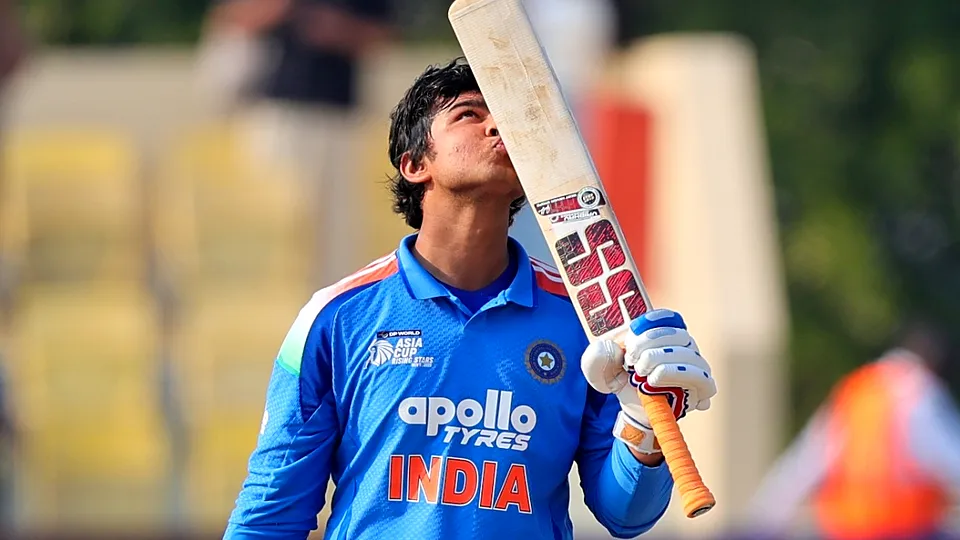
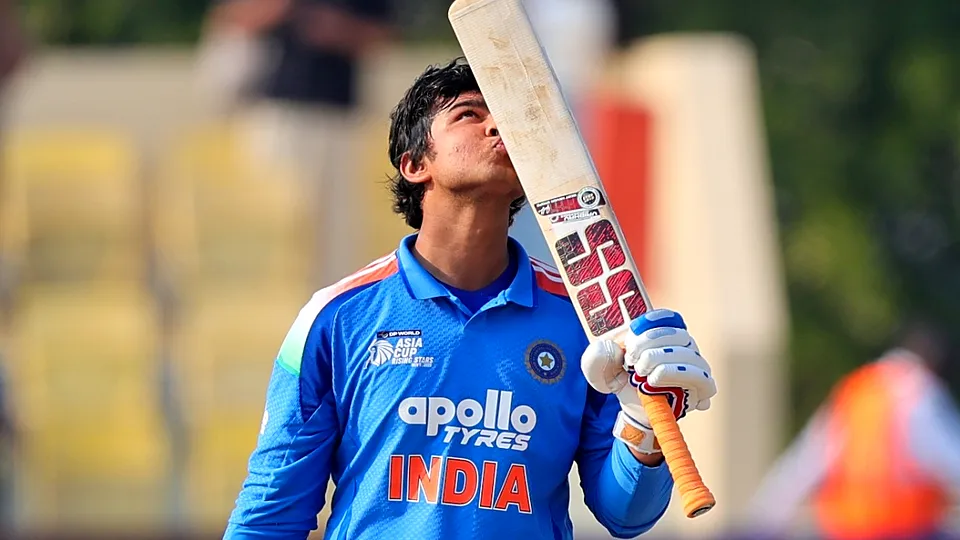
Twenty-eight sixes. Just like that. The ball didn’t even touch the grass before it cleared the boundary rope. Sooryavanshi didn’t just bat; he obliterated the concept of List A resistance. Facing UAE’s new-ball burst, he didn’t wait for the surface to settle. He attacked. The scorecard screams 204 off 53. That’s not batting. That’s a different sport entirely.
The sticky red-soil track in UAE’s venue is no joke. It grips hard under the new ball, punishing anyone who tries to slog without timing. But Sooryavanshi’s footwork? Immaculate. He drove the short ball down the ground with surgical precision. No wasted movement. No defensive intent. Just pure, unadulterated aggression. The dressing-room chatter afterward likely revolved around one question: how did they get out of the early overs?
Why the Middle-Overs Choke Keeps Happening
UAE’s bowling attack had pace, sure. But pace without variation in the powerplay is a liability. They tried to bowl at the head, hoping the dew factor after 8:30 PM IST would slow things down. It didn’t. Sooryavanshi’s boundary-percentage in the first 10 overs was nearly 50 percent. You cannot defend against that. Not really. The Impact Player gamble by UAE fell flat. Their extra bowler had nothing new to offer. No slower balls, no wrist-spin trickery. Just straight fast bowling into a batter who was already on fire.
India A scored 254 runs with that ease. The seven fours were just the warm-up. The real story was the silence from the UAE end of the field when the first six sailed over the long-on. The second one? A gasp. By the sixth, the crowd had stopped counting. They were just watching a man demolish their attack. The data is stark. According to the Cricket11 team, which tracks real-time shot placement and run metrics, Sooryavanshi’s strike rate on the new ball was a staggering 400. That’s not a batting metric. That’s a demolition report.
What does this mean for the series? It means UAE’s middle-overs choke is a systemic failure. They struggle to build economy rates when the batter is in rhythm. Sooryavanshi exploited every weak link. He didn’t just hit the bowlers; he hit the gaps. The leg-side was his favorite corridor, but he found room on the off-side too. Versatility at that strike rate? Unheard of. In Ranji grind matches, we see these kinds of explosions less often. First-class cricket is about patience. List A is about seizing the moment. And Sooryavanshi seized it with both hands, and then a bat.
The Death Overs Were a Formality
By the time the bowling changed, the game was over. UAE’s death-bowling unit looked helpless. They tried to bowl at the pitch, hoping to force mis-hits. Sooryavanshi adjusted his stance, dropped his hands lower, and hit them over the top. The new ball did the talking initially, but once it wore out, Sooryavanshi didn’t let up. The sticky track became a slippy one for the batters, but not for him. He read the surface changes better than his own team likely did. That’s the mark of a world-class finisher. He doesn’t just survive the death overs; he thrives in them.
India A’s total of 254 was a statement. But it wasn’t just about the runs. It was about the confidence. The way the rest of the side batted around him. They fed him to the crease. They took singles. They set the stage. That’s what modern T20/List A batting looks like. No heroics from the rest of the lineup. Just support for the destroyer. UAE’s bowlers were left with no choices. Bowl at him, and he’ll hit sixes. Bowl wide, and he’ll take singles. It’s a no-win scenario. And Sooryavanshi knew it.
So, what’s next? UAE needs to rethink their new-ball strategy. The skiddy hard length isn’t working against batters of this caliber. They need slower options. They need spinners who can grip the track. Until then, they’re just providing ammunition for the next Sooryavanshi. Or whoever steps up next. The record books are updated. The List A records are broken. And the message is clear: if you can’t handle the new-ball burst, don’t expect to survive the rest of the innings.
Related coverage
- Wankhede Dew Bias: Why RCB’s Middle Overs Bleed 12% More Runs Than MI
- Bumrah Climbs, Rabada Jumps: Top 10 Batting Lockdown and Spin 777 Rummy Apk Download Data

Updated 2026-11-27 · Instant Rupee Deposits & 60s Withdrawals · 24/7 Support.
Access Official AeYoun Portal →WPL & Franchise League Columnist · Bengaluru Desk
Ritika Bhatia reports on franchise leagues, the WPL, and domestic Indian tournaments for AeYoun. Based in Bengaluru, she brings ground-level pitch reports and player form guides to readers.
Reader Discussion & Match Reactions (4)4.8★ Community (4 Comments)
Verified Indian cricket reader perspectives & tactical debate on aeyoun.com
Who else is watching the domestic circuit? Sooryavanshi's 204 proves state associations need to back aggressive styles. If he's this deadly, why are we still ignoring U-19 pathways?
50% boundary percentage in the first 10? That’s not sustainable. 204 off 53 means a strike rate of 384.78. I want the full bat-smash data before trusting this.
The Impact Player rule failed here. UAE had pace but no variation. BCCI needs to rethink if extra bowlers actually help or just confuse the pitch. This isn't smart.
@Anirudh_Guwahati You’re right to look at the grassroots side, but don’t ignore the dew factor mentioned. After 8:30 PM, the sticky soil changed everything for UAE’s attack.
Join the Discussion (4 Reader Comments)
Related Articles
See All
Rowles 201 crushes England U19s before Basson wreaks havoc
Jul 19, 2026